1. Opening
Nutrition systems shape how we think, feel, and function long before we make a single food choice.
2. Break the Assumption
But nutrition isn’t primarily a discipline problem.
It’s a system input problem.
If your environment makes low-quality food the easiest option, the outcome is already shaped before any decision is made.
3. System Breakdown
The human body runs on inputs:
- Food becomes cellular repair material
- Nutrients regulate brain function and mood
- Energy sources determine focus, stability, and recovery
Even how you cook matters:
- Boiling can strip water-soluble vitamins
- Overheating can degrade sensitive nutrients
- Long storage reduces nutrient density
The system is simple:
Lower-quality inputs → reduced system performance
This shows up as:
- Brain fog
- Energy instability
- Slower recovery
- Reduced emotional regulation
This isn’t failure. It’s system behavior.
4. A Living System (Southern Spain)
Here in southern Spain, this system becomes visible.
Food is local. Seasonal. Simple.
Markets shift with what’s available—not what’s manufactured.
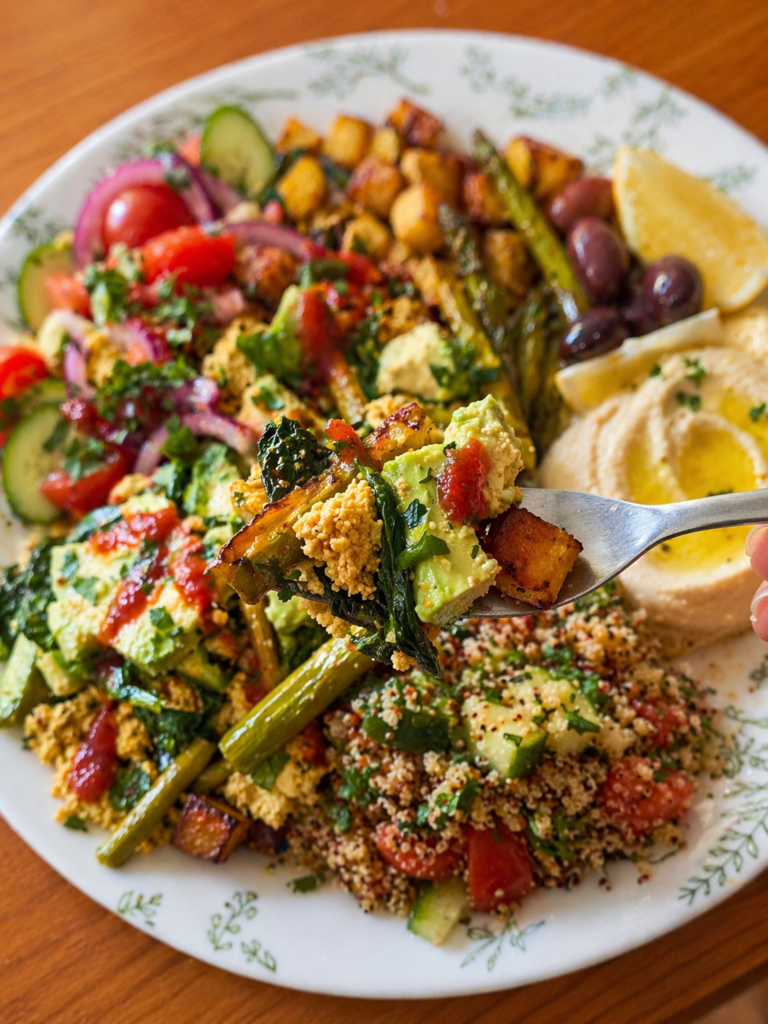
We follow a vegan variation of the Mediterranean pattern:
- Vegetables
- Legumes
- Grains
- Olive oil
- Fresh, minimally processed ingredients
It’s not difficult. The structure already exists.
When the system is aligned, “healthy eating” stops feeling like effort.
It becomes the default.
The effects are consistent:
- Stable energy across the day
- Clearer thinking
- Less friction around meals
- Food supports life instead of interrupting it
5. Reframe
Health is not driven by willpower.
It is driven by access to consistent, high-quality inputs.
6. System Insight
Nutrition is a compounding system:
- Better food → better brain function
- Better brain function → better decisions
- Better decisions → better long-term outcomes
This loop runs continuously.
7. Application
Individual level:
- Prioritize whole, plant-based foods when possible
- Eat seasonally → higher nutrients, lower cost
- Use cooking methods that preserve nutrients (steam, roast, light sauté)
- Reduce ultra-processed foods
Environment level:
- Source from local markets when available
- Keep simple ingredients visible and accessible
- Build routines around easy, repeatable meals
8. Key Insights
- Nutrition is a system input, not a moral issue
- Poor outcomes often reflect poor access, not poor discipline
- Cooking methods directly affect nutrient retention
- Seasonal, plant-based patterns align with human biology
- Better inputs create compounding improvements over time
Closing
Better nutrition doesn’t come from trying harder.
It comes from living inside a system where better inputs are normal, available, and easy to sustain.