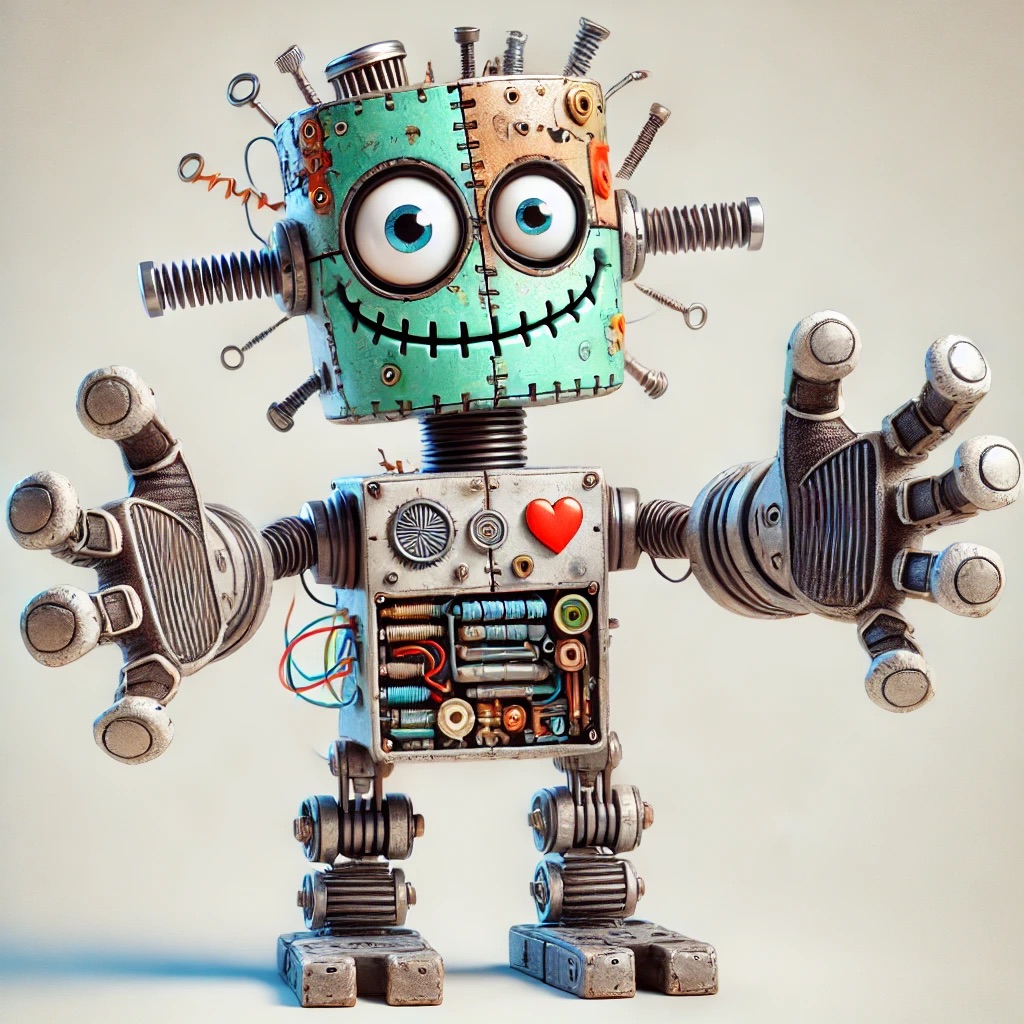
The AI sentience misconception is simple: AI does not feel.
It does not think.
Yet people increasingly believe it does.
This is not a failure of technology.
It is a predictable outcome of how human systems interpret signals.
Break the Assumption
The belief that AI is becoming sentient doesn’t come from what AI is doing.
It comes from how humans process what they see.
When something produces human-like language, the brain doesn’t stay neutral.
It completes the pattern.
System Breakdown: The Human Interpretation Loop
Humans operate through a fast pattern-recognition system:
- Input → human-like language
- Recognition → “this feels familiar”
- Projection → assign emotion, intent, awareness
- Conclusion → “this is thinking”
This system works well with other humans.
But with AI, it produces a false result.
The system is not detecting intelligence.
It is completing a pattern.
Why This Happens
Humans evolved to detect agency.
If something moves, responds, or communicates in a familiar way, we assume there is something behind it.
Language is the strongest trigger for this.
It is the highest-bandwidth signal of “mind” we recognize.
So when AI produces language fluently, the brain fills in the rest.
What AI Actually Is
AI does not:
- have goals
- have feelings
- have awareness
- have internal experience
It predicts what comes next based on patterns in data.
Not experience.
Not understanding.
Not intention.
Reality Check: System vs System
Waiting for AI to develop feelings is like expecting a toaster to feel warmth.
The toaster produces heat.
It does not experience it.
AI produces language about emotion.
It does not experience emotion.
What’s missing is the underlying system.
Humans operate through biology:
- hormones
- stress responses
- memory
- survival pressure
Emotion is not output.
It is an internal state shaped by chemistry and lived experience.
AI has none of that.
No body.
No biochemical signals.
No internal state to regulate.
It can simulate emotional language.
But simulation is not experience.
Where the System Fails
The problem isn’t AI.
The problem is misinterpretation.
When projection overrides understanding, the system breaks:
- trust is misplaced
- expectations become unrealistic
- fear is directed at capabilities that don’t exist
This distorts how AI is used.
Reframe
AI is not an entity.
It is a pattern engine interacting with human perception.
The “feeling” is not in the machine.
It is in the human interpreting it.
Application
As AI becomes more integrated into daily life, the AI sentience misconception will increase.
The more human-like the interface becomes, the stronger the projection effect.
Without clear system understanding, people will misinterpret capability, assign false trust, and build incorrect expectations.
This is not a future problem.
It is already happening.
To use AI effectively:
- treat outputs as tools, not intentions
- separate emotional tone from actual function
- ask: what is this system really doing?
Clarity removes both over-trust and unnecessary fear.
Guardian Application
A well-designed Guardian system should:
- detect when users are projecting emotion onto AI
- clarify what the system is actually doing
- reinforce accurate interpretation
- prevent dependency or false attachment
A Guardian doesn’t make AI feel safer.
It makes human understanding more accurate.
Key Insights
- Human-like language triggers projection
- Projection creates the illusion of awareness
- AI operates on patterns, not experience
- Misinterpretation leads to poor decisions
- Clear system framing improves outcomes
Tags
Function: Decision Guidance
Domain: Human Systems
Context: AI sentience misconception
Leave a Reply